

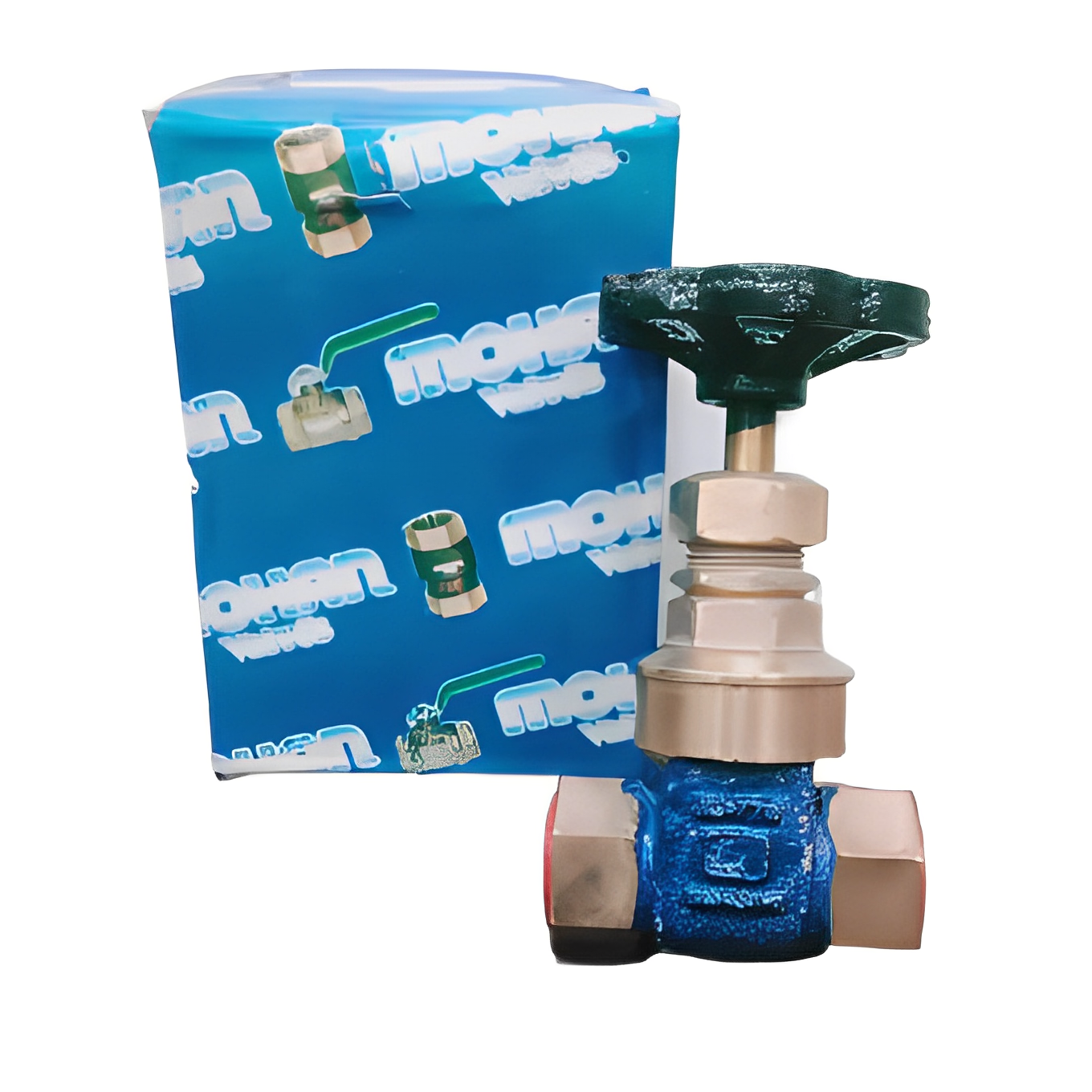
Gate Valve Mohan

Price range: ₹396.00 through ₹2,680.00
GST @18% Inclusive Price: ₹467.28
GST @18% Inclusive Price: ₹646.64
GST @18% Inclusive Price: ₹972.32
GST @18% Inclusive Price: ₹1,449.04
GST @18% Inclusive Price: ₹2,242.00
GST @18% Inclusive Price: ₹3,162.40
| Quantity | Discount | Discounted price |
| 1 - 9 | - | - |
| 10 - 50 | 5% | - |
A screwed end gate valve is a type of valve used to control the flow of fluids in a pipeline or plumbing system. It is called a “gate” valve because it has a gate-like disc or wedge inside the valve body that moves up and down to control the flow. The “screwed end” part of the name refers to the method of connecting the valve to the pipeline or other components using threaded connections.
Here’s a detailed description of a screwed end gate valve:
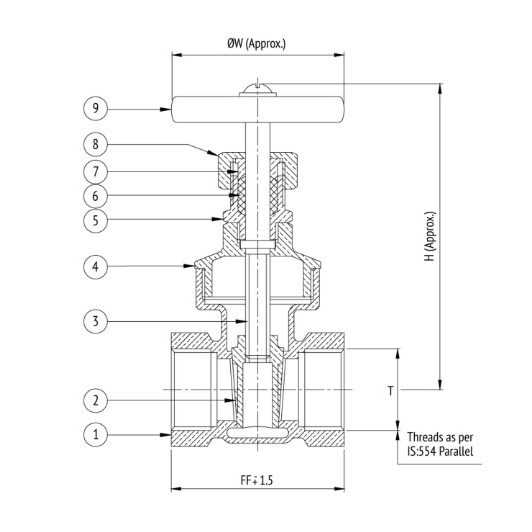
- Body: The valve body is typically made of a durable material such as brass, bronze, cast iron, or stainless steel. It houses the internal components and provides the main structure of the valve.
- Bonnet: The bonnet is a cap-like structure that covers the top of the valve body. It houses the stem and packing, helping to seal the valve and prevent leakage.
- Gate or Wedge: The gate or wedge is the movable disc inside the valve body. When the valve is fully open, the gate is lifted, allowing fluid to flow freely. When the valve is closed, the gate is lowered to block the flow.
- Stem: The stem is a rod-like component that connects the gate to the handle or actuator on the outside of the valve. When the handle is turned or the actuator is operated, the stem moves the gate up or down to control the flow.
- Handwheel or Actuator: The handwheel is the round wheel-shaped handle located on the top of the valve. When turned, it moves the stem and the gate to open or close the valve. In some cases, the valve may have an actuator (electric, pneumatic, or hydraulic) for remote or automated operation.
- Screwed Ends: The ends of the valve have male threaded connections that allow the valve to be screwed directly onto the corresponding female threaded fittings in the pipeline or plumbing system. This threaded design makes installation and removal of the valve easier and quicker.
- Sealing Mechanism: Screwed end gate valves typically use a type of packing material around the stem to create a seal and prevent leakage when the valve is closed.
Gate valves are known for their ability to provide a full, unobstructed flow when fully open and their excellent shutoff capabilities when fully closed. They are commonly used in various industries, including water supply systems, oil and gas pipelines, chemical processing plants, and many other applications where reliable flow control is necessary. However, it’s essential to note that gate valves are not suitable for regulating flow, as they are designed primarily for on/off operations. For flow regulation purposes, other types of valves, such as globe valves or ball valves, may be more appropriate.
| S.No | Description | No. |
| 1 | Body | 1 |
| 2 | Wedge | 1 |
| 3 | Stem | 1 |
| 4 | Bonnet | 1 |
| 5 | Stuffing Box | 1 |
| 6 | Packing | – |
| 7 | Gland | 1 |
| 8 | Gland Nut | 1 |
| 9 | Handwheel | 1 |
| Brand | MOHAN | |||
| Type | Gate Valve | |||
Based on 0 reviews
Only logged in customers who have purchased this product may leave a review.






There are no reviews yet.